What's The Difference Of Amino Silane And Epoxy Silane
Amino silane and epoxy silane are two types of silane coupling agents that are commonly used in the manufacturing industry. Both of these agents are used to enhance the bonding properties of materials, but they differ in their chemical composition and the type of bonding they promote.
Amino Silane
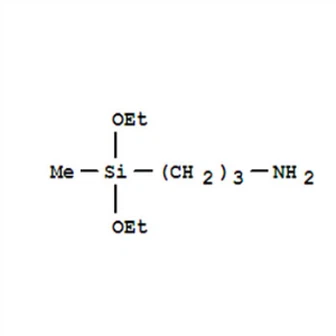
Amino silane is known for its ability to provide enhanced adhesion between two materials that are otherwise incompatible. It is a type of silane coupling agent that contains amino groups, which are highly reactive and can bond with a wide range of different materials. Amino silane is mainly used to improve the adhesion properties of materials that are used in the automotive, construction, and electronics industries.
When amino silane is applied to a surface, the amino groups form covalent bonds with the surface, creating a strong, permanent bond. This bond is particularly useful in applications where the two materials being bonded have different chemical properties, such as bonding metals to plastics or ceramics.
Epoxy Silane
Epoxy silane, on the other hand, is a type of silane coupling agent that contains epoxy groups. Like amino silane, epoxy silane is used to improve the bonding properties of different materials, but it is particularly effective in promoting adhesion between two materials that are chemically similar. Epoxy silane is used in a range of industries, including aerospace, automotive, and electronics.
When epoxy silane is applied to a surface, the epoxy groups react with the surface to form powerful, covalent bonds. These bonds are highly durable and resistant to heat, moisture, and other environmental factors, making epoxy silane an ideal choice for applications where the bonded materials will be subjected to harsh conditions.
While both amino silane and epoxy silane are commonly used to enhance the bonding properties of different materials, they have different chemical compositions and are better suited to different types of applications. Amino silane is best for bonding materials that are otherwise incompatible, while epoxy silane is ideal for bonding materials that are chemically similar.