What Is The Difference Between Amino Silanes And Epoxy Silanes
Amino silanes and epoxy silanes are two types of organosilanes that are used in a variety of applications. While both share some similarities, there are also some distinct differences between the two.
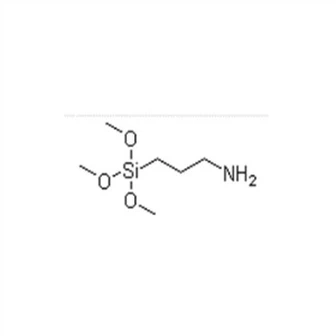
Amino silanes are organosilanes that contain an amine functional group (NH2). They are often used as coupling agents, which help to bond organic materials to inorganic surfaces. Amino silanes have excellent adhesion properties and are commonly used in coatings, adhesives, and sealants. They are also used in the production of composites and plastics to improve mechanical properties and increase durability.
Epoxy silanes, on the other hand, contain an epoxy functional group (CH2O) and are commonly used as adhesion promoters in coatings, adhesives, and sealants. This is because they can react with various substrates such as metals, ceramics, and glass. Epoxy silanes are also used in the production of composites, as they provide improved strength and durability.
One key difference between amino silanes and epoxy silanes is their reactivity. Amino silanes are more reactive than epoxy silanes, meaning they can bond more strongly to substrates. Amino silanes are also more water-soluble than epoxy silanes, which makes them easier to work with in aqueous systems.
Another key difference is the types of substrates they can bond to. Amino silanes are particularly effective at bonding to silica-based materials such as glass and ceramic, while epoxy silanes are better suited for bonding to metal substrates. This means that the choice of silane will depend on the specific application and substrate being used.
In terms of their chemical structure, amino silanes are more complex and have a higher molecular weight than epoxy silanes. This can make them more expensive and harder to work with in certain applications. Epoxy silanes, on the other hand, are relatively simple in structure and can be easier to work with.
Both amino silanes and epoxy silanes have unique properties that make them useful in a variety of applications. They have excellent adhesion properties and can bond to a wide range of substrates. The choice of silane will depend on the specific application and substrate being used.